
Description
Overview of the “Ostarine + Cardarine Combination”
The Ostarine + Cardarine combination consists of two investigational research compounds. Both are studied in cellular and preclinical experimental models.
- Ostarine (MK-2866 / Enobosarm) is investigated for its binding and signaling effects on androgen receptors in controlled systems.
- Cardarine (GW-501516) is a PPAR-δ receptor agonist studied for its role in nuclear receptor activation. It is also studied for the regulation of metabolic signaling pathways in vitro and in preclinical models.
This combination is supplied exclusively for laboratory and research purposes.
Chemical and Molecular Properties
Ostarine (MK-2866)
| Property | Description |
| Compound Name | Ostarine |
| Synonyms | MK-2866, Enobosarm, GTx-024 |
| Molecular Formula | C19H14F3N3O3 |
| Molecular Weight | 389.33 g/mol |
| Chemical Class | Selective androgen receptor modulator |
| Research Category | Receptor-binding research compound |
Cardarine (GW-501516)
| Property | Description |
| Compound Name | Cardarine |
| Synonyms | GW-501516 |
| Molecular Formula | C21H18F3NO3S2 |
| Molecular Weight | 453.49 g/mol |
| Chemical Class | PPAR-δ receptor agonist |
| Research Category | Nuclear receptor and metabolic pathway research compound |
Working Mechanism of the “Ostarine + Cardarine Combination.”
Androgen Receptor Activation (Ostarine)
Ostarine selectively binds androgen receptors in cell-based or preclinical experimental models. Laboratory investigations focus on :
- receptor-binding kinetics
- downstream signal transduction
- and transcriptional activation, without reference to tissue-level outcomes.
PPAR-δ Receptor Activation (Cardarine)
Cardarine activates the PPAR-δ nuclear receptor. This affects gene expression and intracellular metabolic signaling in experimental systems. Studies examine
- cellular energy regulation
- fatty-acid oxidation pathways
- and mitochondrial activity
Experimental Applications of the Combination
Co-exposure in research models may allow examination of potential receptor interaction effects and combined molecular signaling, strictly within in vitro or preclinical contexts.
Research Applications (Laboratory Use Only)
In controlled laboratory settings, the Ostarine + Cardarine combination may be utilized for:
- Androgen receptor binding and signaling studies in experimental models
• PPAR-δ receptor activation and downstream metabolic pathway research
• Molecular interaction and transcriptional regulation studies
• Structure-activity relationship and receptor crosstalk investigations
All applications are strictly limited to research environments.
Why Choose Purerawz for Ostarine + Cardarine?
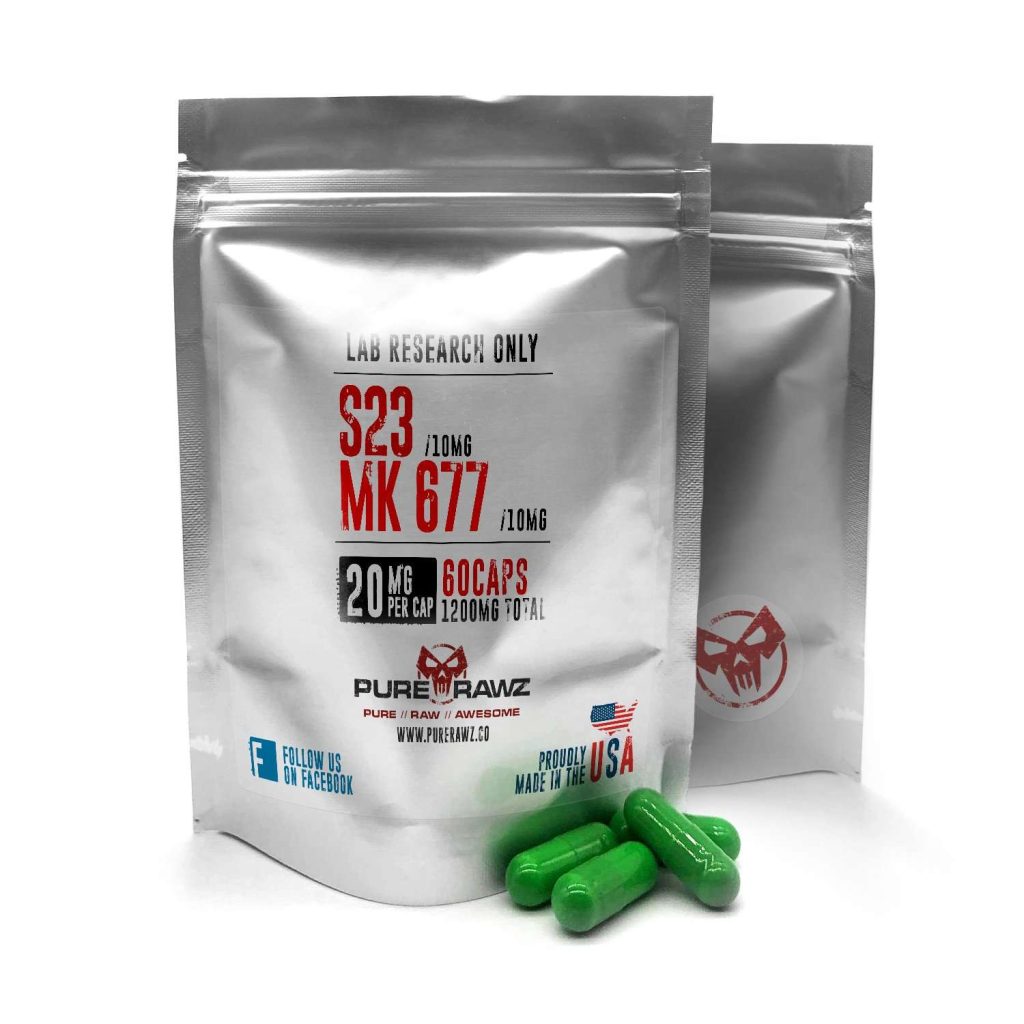
Buy Ostarine + Cardarine combination for laboratory research use from our online shop. At Purerawz, we provide high-quality reference materials. Each research compound comes with a Certificate of Analysis for verification of purity and concentration.
Note: Ostarine (MK-2866) and Cardarine (GW-501516) are investigational compounds currently undergoing experimental evaluation and have not been established as safe or effective for any therapeutic use.
Disclaimer
This information is for educational purposes only and not medical advice. Products are for research use only. Research must follow IRB or IACUC guidelines. Verify information independently before purchasing. By ordering, you agree to our Terms and Conditions. If you are not 100% satisfied with the product you received, please contact us at support@purerawz.co/
ATTENTION: All our products are for LABORATORY AND RESEARCH PURPOSES ONLY, not for veterinary or human use.
Reference Links
Dalton, J. T., Barnette, K. G., Bohl, C. E., Hancock, M. L., Rodriguez, D., Dodson, S. T., Morton, R. A., & Steiner, M. S. (2011). The selective androgen receptor modulator enobosarm (GTx-024) improves receptor signaling in experimental models. Journal of Cachexia, Sarcopenia and Muscle. https://doi.org/10.1007/s13539-011-0020-7/
Narkar, V. A., Downes, M., Yu, R. T., Embler, E., Wang, Y. X., Banayo, E., Mihaylova, M. M., Nelson, M. C., Zou, Y., Juguilon, H., Kang, H., Shaw, R. J., & Evans, R. M. (2008). AMPK and PPAR-δ agonists act as molecular activators in experimental models of energy regulation. Cell. 134(3):405 415. https://doi.org/10.1016/j.cell.2008.06.051/



Reviews
There are no reviews yet.