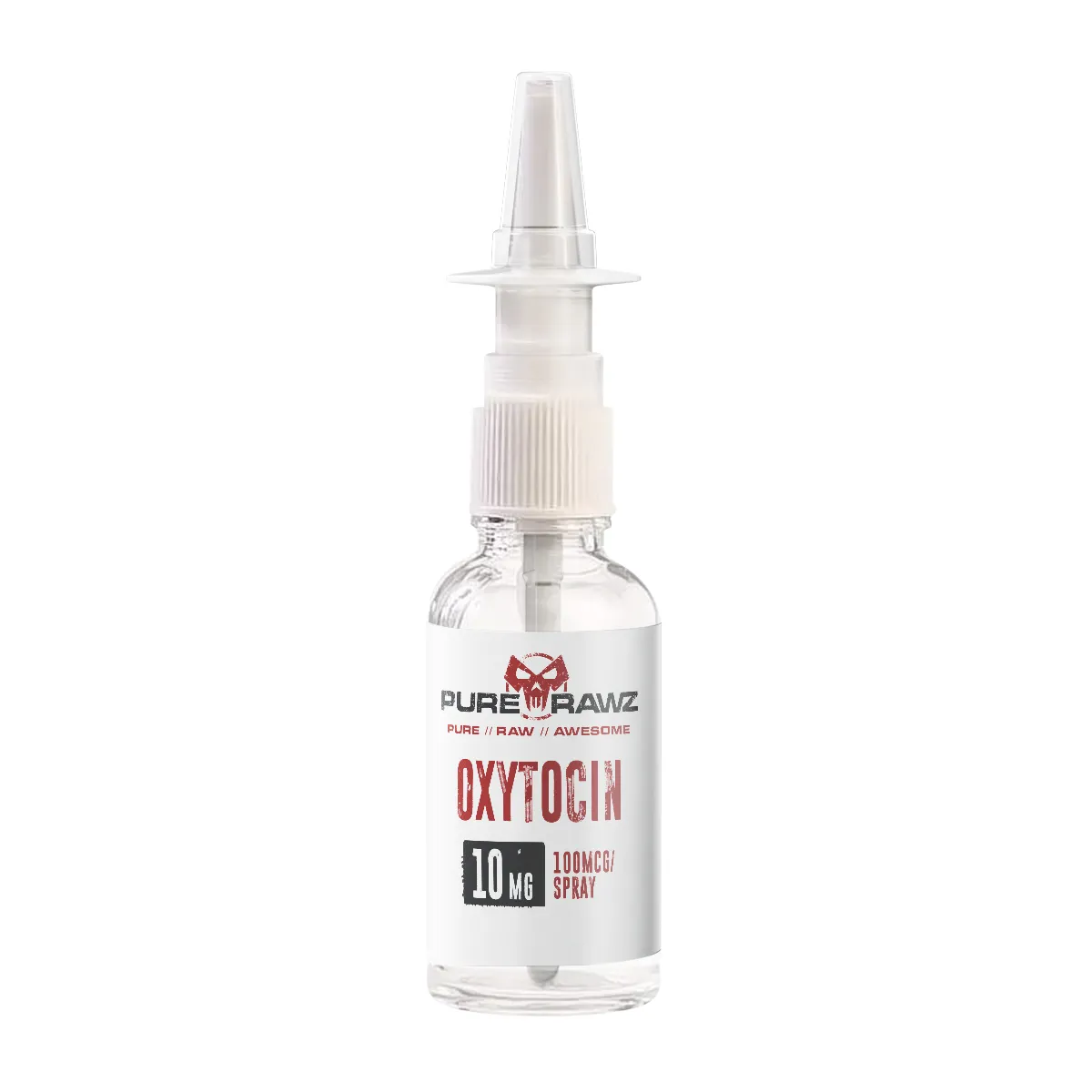
Description
Oxytocin
Buy Oxytocin Online
Oxytocin is a naturally occurring peptide hormone best known for its role in social bonding, reproductive physiology, childbirth, and lactation. It has also attracted significant interest in neuroscience research because oxytocin receptors are distributed throughout brain regions involved in social behavior, stress responses, emotional processing, and interpersonal interaction.
Research involving intranasal oxytocin has explored areas ranging from social cognition and emotional recognition to stress reactivity and psychiatric disorders. While results vary considerably between studies, oxytocin remains one of the most extensively investigated neuropeptides in human behavioral research.
Product Information
Oxytocin is a nine-amino-acid peptide produced naturally in the hypothalamus and released primarily through the posterior pituitary. It acts by binding to oxytocin receptors, which are G-protein-coupled receptors found in reproductive tissues as well as several regions of the nervous system.
In research settings, intranasal administration has been widely studied as a way of investigating oxytocin’s possible effects on the central nervous system. Human trials have commonly used doses in the 18–40 IU range, although there is no universally established intranasal dose for behavioral or psychiatric applications.
How Does It Work?
Oxytocin binds to oxytocin receptors and activates intracellular signaling pathways that influence smooth-muscle contraction, hormone release, and neural activity. In the brain, oxytocin signaling has been associated with social cognition, emotional processing, stress responses, and affiliative behavior.
Benefits
Supports Social Interaction & Social Cognition
Oxytocin has been extensively studied for its possible influence on social perception, emotional recognition, trust, and interpersonal processing. Research suggests that its effects can depend heavily on context, personality, and the individual’s psychological state.
Promotes Research Into Stress & Emotional Responses
Human studies have investigated oxytocin’s relationship with stress reactivity and emotional processing. These findings have made the peptide particularly interesting in research involving anxiety, social stress, and stress-related behavior.
Influences Reproductive Physiology
Oxytocin has a well-established physiological role in uterine contraction and milk ejection. Its reproductive actions are among the best-characterized effects of the hormone.
A Major Tool in Behavioral Neuroscience Research
Because oxytocin receptors are present throughout several brain systems involved in social and emotional behavior, oxytocin continues to be used in research examining social reward, attachment, emotional processing, and neuroendocrine regulation.
Importantly, a 2026 meta-analysis of 42 randomized controlled trials found that the overall effect of intranasal oxytocin on symptoms across several mental disorders was small and statistically non-significant, highlighting the mixed nature of clinical evidence.
Side Effects
Reported effects in human intranasal studies have generally included nasal irritation, headache, dizziness, fatigue, nausea, and changes in mood or subjective experience. Controlled research has generally found relatively few serious short-term adverse effects at commonly studied doses, but longer-term or inappropriate use has not been adequately characterized.
Dosage
Human research involving intranasal oxytocin has commonly used approximately 18–40 IU per administration, with 24 IU being particularly common in behavioral studies. This represents research practice rather than an established therapeutic dose for psychiatric, cognitive, or social applications.
Oxytocin also has medically supervised obstetric uses, where dosing and administration are completely different from intranasal neuroscience protocols.
Where to Buy Oxytocin
Purerawz does not sell or directly supply oxytocin. Where available, purchase links may direct readers to independent third-party providers through affiliate links. Always evaluate supplier information, product testing, formulation, and applicable regulations before considering any product.
References
1. MacDonald E, Dadds MR, Brennan JL, Williams K, Levy F, Cauchi AJ. A review of safety, side-effects and subjective reactions to intranasal oxytocin in human research. Psychoneuroendocrinology. 2011;36(8):1114-1126.
PubMed — PMID: 21429671
2. Bonnieux J, et al. Does intranasal oxytocin reduce symptoms of mental disorders? A meta-analysis of clinical trials. Neurosci Biobehav Rev. 2026;187:106749.
PubMed — PMID: 42134427
Disclaimer
Purerawz does not sell, manufacture, stock, dispense, or directly supply any of the products discussed on this website. Purerawz is an independent information and affiliate platform. Where available, links may direct readers to independent third-party providers, and Purerawz may receive a commission from qualifying purchases at no additional cost to the reader.
The information provided is for educational and informational purposes only. Dosage figures may reflect published research protocols, historical clinical use, or reported practices and should not be interpreted as personalized medical instructions.

Reviews
There are no reviews yet.