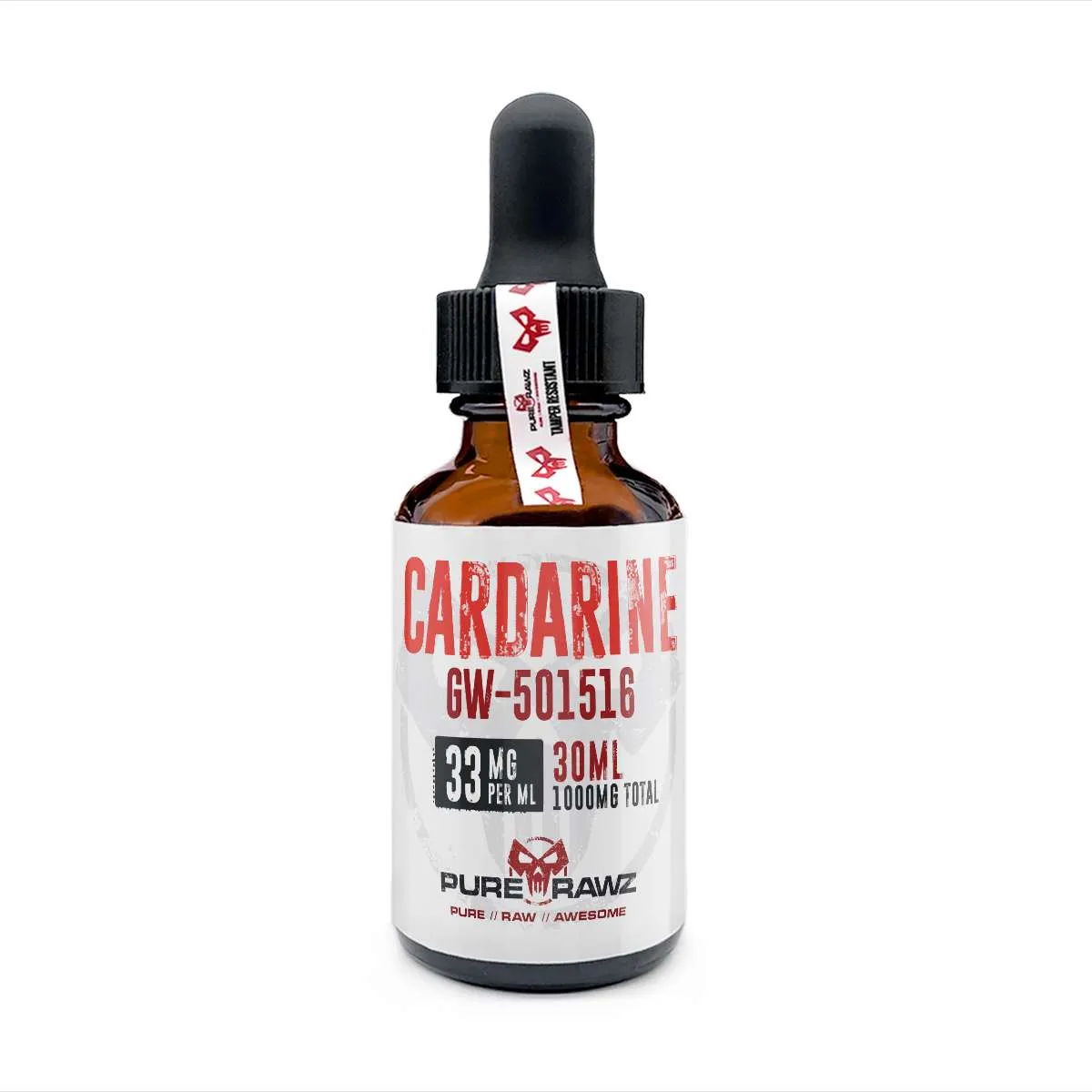
Description
Cardarine (GW-501516)
Cardarine (GW-501516) Overview
Cardarine, also known as GW-501516, is a selective PPARδ (PPAR-beta/delta) agonist that has attracted attention for its effects on fatty-acid metabolism, energy utilization, and metabolic signaling.
Despite frequently being grouped with SARMs online, Cardarine is not a SARM. It belongs to a separate class of metabolic compounds that work through PPARδ receptors.
Product Information
GW-501516 activates PPARδ, a nuclear receptor involved in regulating genes associated with fatty-acid oxidation, lipid metabolism, and energy utilization.
Human studies have demonstrated measurable effects on lipid metabolism and fatty-acid oxidation, while animal research has explored its effects on endurance and metabolic function. [1][2]
How Does Cardarine Work?
Cardarine activates PPARδ and changes the expression of genes involved in energy metabolism. This increases signaling associated with fatty-acid utilization, particularly in skeletal muscle and other metabolically active tissues.
Cardarine Benefits & Effects
Enhances Fatty-Acid Oxidation
Cardarine is strongly associated with increased fatty-acid oxidation. Human research has demonstrated changes in metabolic markers and increased use of fatty acids as an energy source. [1]
Supports Lipid Metabolism
GW-501516 has been shown in human studies to influence lipid metabolism, including reductions in triglycerides and changes in other lipid-related markers. [1][3]
Promotes Metabolic Energy Utilization
By activating PPARδ, Cardarine influences genes involved in how tissues process and utilize energy, making it an important compound in metabolic research.
Investigated for Endurance-Related Pathways
Animal research has linked PPARδ activation with increased oxidative metabolism and improved endurance-related performance. These findings have contributed heavily to Cardarine’s popularity in performance-oriented discussions. [4]
Human studies, however, have primarily demonstrated metabolic effects rather than establishing Cardarine as a proven endurance-enhancing treatment.
Investigated for Glucose & Insulin Signaling
PPARδ activation has also been investigated in relation to glucose and insulin metabolism. Human studies have reported changes in metabolic markers, although Cardarine should not be regarded as an established treatment for metabolic disease. [1][3]
Cardarine Side Effects
Cardarine carries significant safety concerns.
Long-term animal studies conducted during its development found increased incidences of tumors across multiple tissues in rats and mice. These findings contributed to the discontinuation of the GW501516 development program and remain the major safety concern surrounding the compound.
Because of these findings, Cardarine should not be presented as a conventional fat-loss or performance supplement.
Cardarine Dosage
Human studies have investigated GW-501516 at doses including 2.5 mg and 10 mg once daily, while another clinical study investigated 2.5 mg daily over several weeks. [1][3]
Online sources commonly advertise 10–20 mg per day, but these amounts represent non-medical use rather than an established safe dosing standard.
Where to Buy Cardarine?
Cardarine products are not sold by Purerawz. Purerawz provides informational content and may include affiliate links to third-party websites where products are listed.
If you choose to explore a product listing, you can use the affiliate links provided above and review the seller’s product information carefully.
Disclaimer: The information on Purerawz is provided for educational and informational purposes only. Cardarine (GW-501516) is not FDA-approved for human use, and its development was discontinued following significant safety findings in long-term animal studies. The information presented here should not be considered medical advice or a recommendation to use Cardarine.
Research References
2. The PPAR-beta/delta activator GW501516 increases fatty-acid oxidation — PubMed
3. Triglyceride and HDL cholesterol effects of GW501516 in healthy subjects — PubMed
4. PPARδ signaling and endurance function in an animal model — PubMed



Reviews
There are no reviews yet.