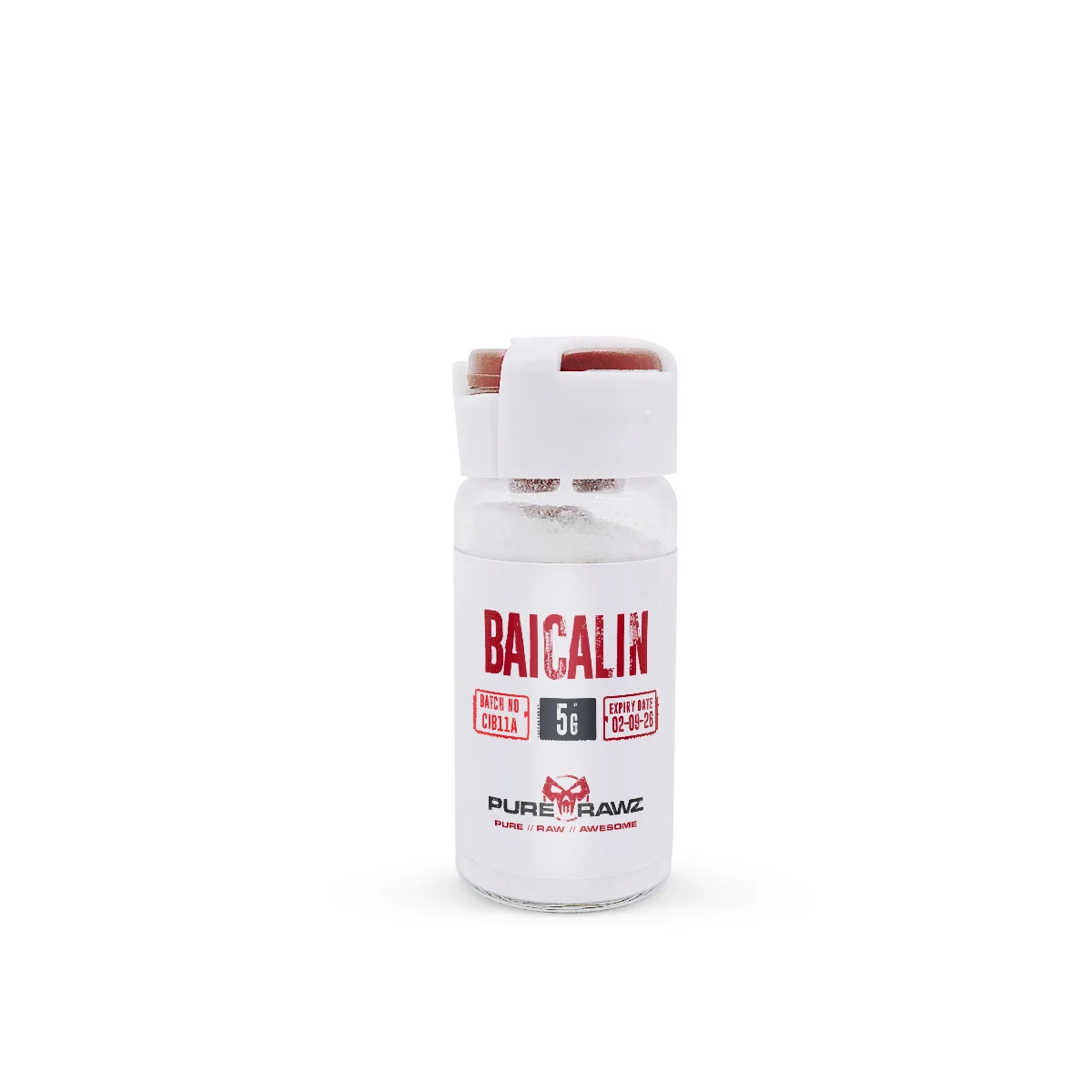
Description
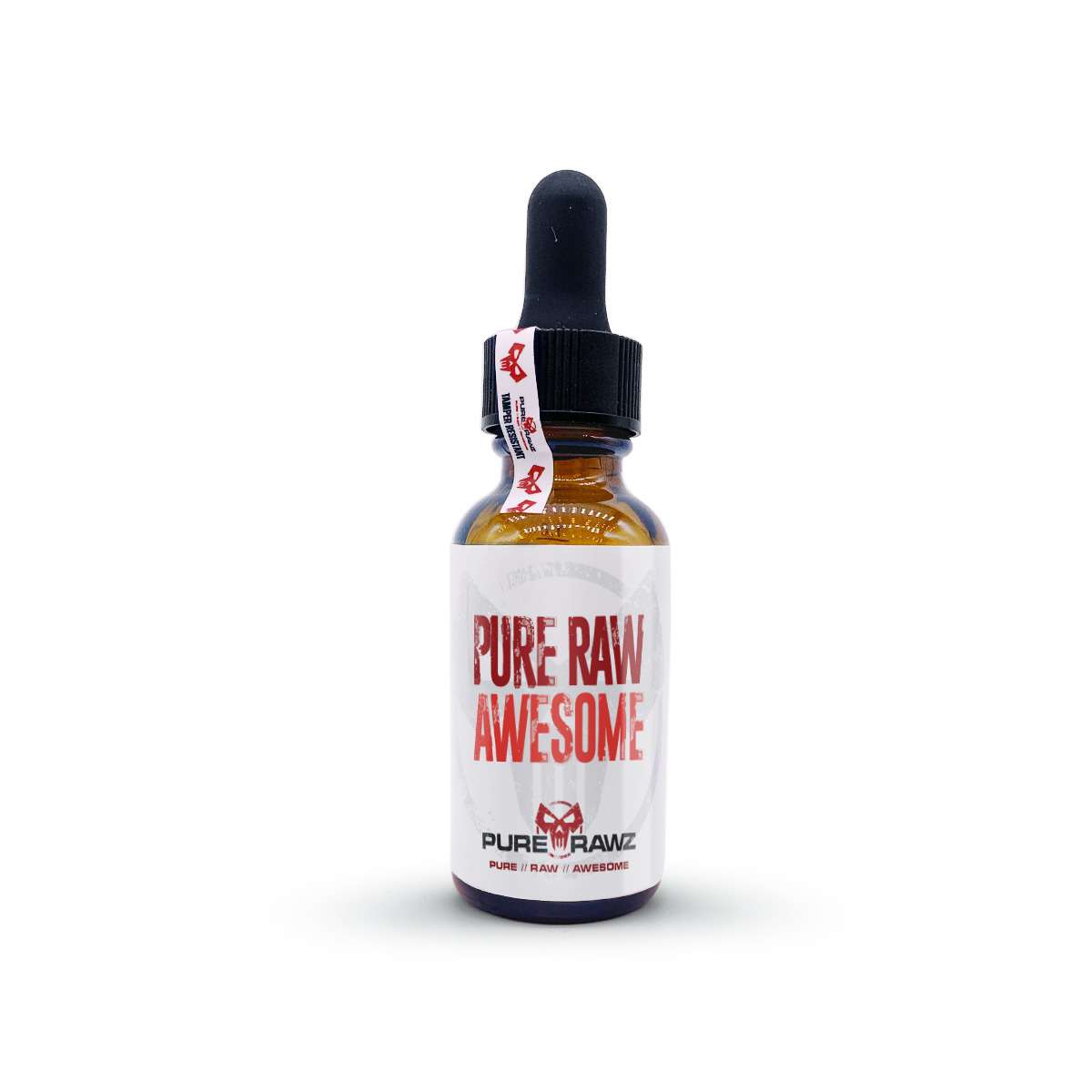
Baicalin
Product Overview
Baicalin is a naturally occurring flavonoid glycoside from the roots of Scutellaria baicalensis. This plant is known in traditional botanical research as the Chinese skullcap. This compound belongs to a broader class of polyphenolic molecules that have drawn attention for their diverse biochemical interactions within cellular systems.
Flavonoids such as baicalin are widely studied due to their ability to interact with enzymes, transcription factors, and signaling pathways associated with oxidative balance and immune modulation. Modern research often explores baicalin as part of a larger effort to understand how plant-derived compounds influence inflammatory signaling networks, cellular stress responses, and neuronal pathways.
Chemical Information
| Property | Description |
| Compound Name | Baicalin |
| CAS Number | 21967-41-9 |
| Molecular Formula | C21H18O11 |
| Molecular Weight | 446.36 g/mol |
| IUPAC Name | 5,6,7-trihydroxy-2-phenyl-4H-1-benzopyran-4-one |
| Compound Class | Flavonoid glycoside |
Research Applications
Neurobiological research
Studies frequently explore how flavonoids interact with neural signaling networks and oxidative stress pathways within neuronal cells.
Inflammatory signaling investigations
Baicalin has been examined in laboratory models that evaluate transcription factors and cytokine pathways associated with inflammatory responses.
Cellular protection and stress response research
Flavonoid compounds are often used in experimental designs that investigate how cells respond to environmental stressors, including oxidative imbalance.
Working Mechanism
One reason baicalin attracts scientific attention is its interaction with cellular signaling pathways involved in inflammatory regulation. In laboratory studies, the compound has been examined for its influence on transcription factors such as NF-κB, which play an important role in the expression of genes associated with inflammatory responses.
Researchers have also investigated baicalin in neuronal cell models, where signaling pathways related to neuroinflammation and cellular survival are closely monitored. These experiments help scientists better understand how flavonoid compounds interact with neural regulatory systems.
Why Buy at PureRawz?
Purerawz is one the secured sites that offers Baicalin for sale. PureRawz always secures COA analysis for trustworthy research compounds. They also offer other similar products with free shipping over 100$ orders. By purchasing from PureRawz, you can ensure safety of product delivery.
Research Disclaimer
This material is provided strictly for educational and laboratory research purposes.
Compounds supplied by PureRawz are not approved for human or veterinary use and should only be handled by qualified professionals within controlled research environments.
Any experimental studies involving this compound should comply with institutional guidelines, including oversight by an Institutional Review Board (IRB) or Institutional Animal Care and Use Committee (IACUC) when applicable.
Researchers are responsible for independently verifying scientific information before conducting any experimental work.
By purchasing from PureRawz, you agree to the company’s Terms and Conditions. to get more information about Baicalin
References
Li-Weber, M. (2009). New therapeutic aspects of flavones: The anticancer properties of Scutellaria and its main active constituents baicalein, baicalin and wogonin. Cancer Treatment Reviews, 35(1), 57 68. https://doi.org/10.1016/j.ctrv.2008.09.005
Gao, Z., Huang, K., Xu, H. (2001). Protective effects of flavonoids in the roots of Scutellaria baicalensis Georgi against hydrogen peroxide-induced oxidative stress in HS-SY5Y cells. Pharmacological Research, 43(2), 173 178. https://doi.org/10.1006/phrs.2000.0761
Dinda, B., Dinda, M., Kulsi, G., Chakraborty, A., & Dinda, S. (2017). Therapeutic potentials of baicalin and its aglycone, baicalein against inflammatory disorders. European Journal of Medicinal Chemistry, 131, 68 80. https://doi.org/10.1016/j.ejmech.2017.03.004
Chen, Y., Chen, H., Zhang, J., Chen, Y., & Yang, Y. (2018). Baicalin ameliorates inflammatory responses through the suppression of NF-κB signaling pathway in experimental models. Biomedicine & Pharmacotherapy, 102, 843 850. https://doi.org/10.1016/j.biopha.2018.03.124
Reviews
There are no reviews yet.